
Cancer Home Care in Ontario

Cancer changes everything — including a person's ability to manage daily life at home. Whether someone is in active treatment, recovering from surgery, or receiving palliative care, Aviora Healthcare provides personal support, practical daily assistance, and compassionate presence at every stage of the cancer journey across Ontario. Same primary caregiver. Starts within 24–48 hours. No referral required.

Serving families caring for someone with cancer across Ontario including Toronto, Hamilton, Kitchener, Ottawa, and surrounding communities.

Currently accepting new clients • Starts in 24–48 hours • Same primary caregiver • 24-hour palliative care available

At a Glance

  • Home care available at every stage: active treatment, surgery recovery, and palliative / end-of-life
  • Personal support, meal prep, housekeeping, medication reminders, transportation, and wound monitoring
  • 24-hour and live-in care available for palliative cancer clients
  • Care starts within 24–48 hours — no waitlist, no physician referral required
  • Funding: private pay, private insurance (many group benefits cover PSW), ODSP, Direct Funding

Understanding the impact

How cancer affects the ability to live at home

Cancer itself is many diseases, and no two people experience it the same way. But across cancer types and treatments, a common thread emerges: the combination of the illness and its treatment depletes a person's capacity to manage daily life independently. Understanding this — not just the diagnosis, but its practical impact — is the starting point for meaningful home care.

Treatment side effects are often the first trigger for needing help at home. Chemotherapy causes profound fatigue, nausea, and immune suppression. What feels like a mild day of energy might be the only window for a shower, a light meal, and a short walk. Radiation causes localized fatigue and tissue irritation. Both leave people less able to cook, clean, drive, or manage the tasks of daily life that previously required no thought at all.

Surgery adds another layer. Recovery from cancer surgery — mastectomy, bowel surgery, lung resection — limits mobility, often for weeks. Wounds require monitoring. Surgical drains need oversight. Personal care becomes difficult when raising an arm causes pain or bending strains an abdominal incision. The home becomes a place to heal, but only if someone is there to help.

In advanced or palliative stages, the physical decline is progressive. Pain management becomes the priority. Mobility decreases. Appetite fades. The emotional weight on both the person with cancer and their family can be enormous. This is also when home care becomes most intensive — and most valuable.

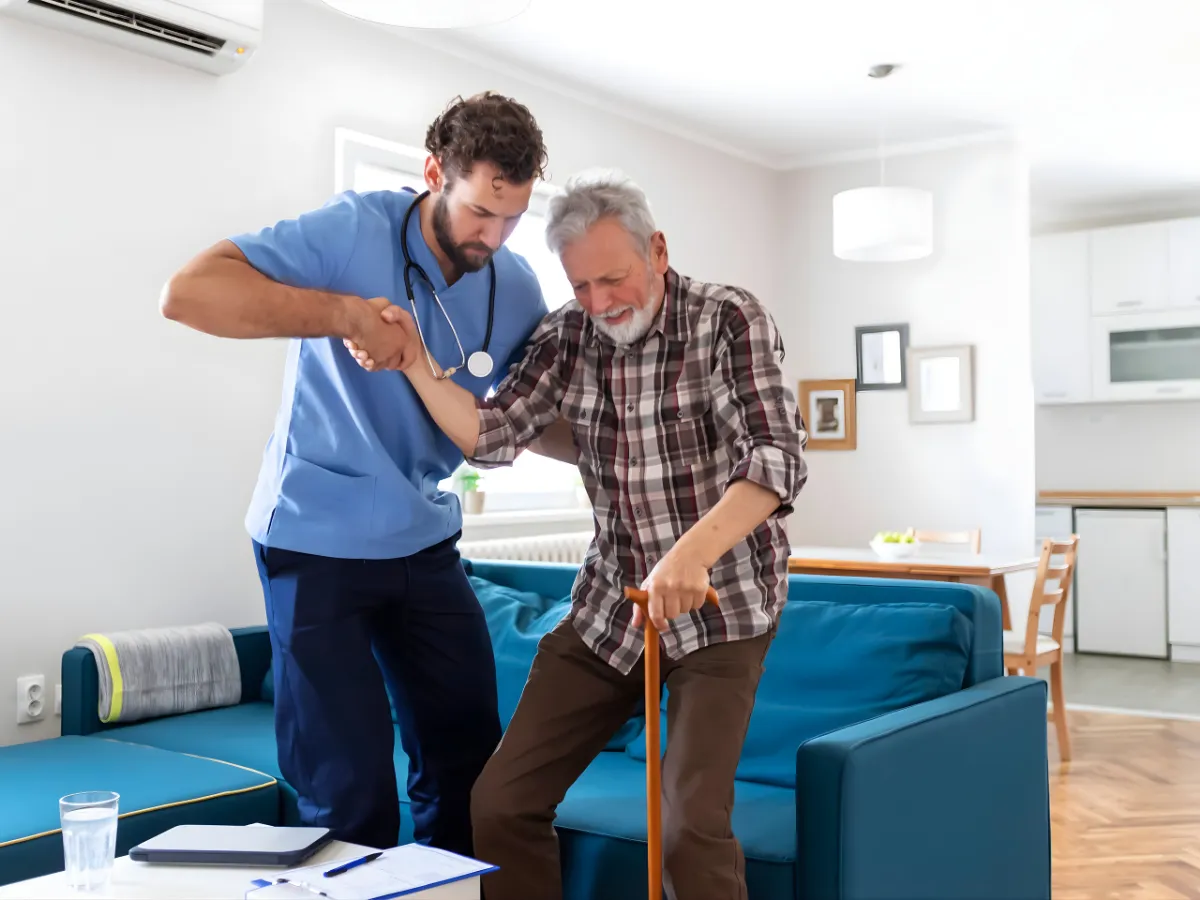
Caregiver supporting a cancer patient at home in Ontario

Three phases of cancer home care

How home care supports cancer patients across every stage

Aviora provides home care at all three phases of the cancer journey. The level of support, the tasks the caregiver focuses on, and the emotional tone of care shift significantly between phases — but the same primary caregiver stays through them all.

Phase 1 — Active treatment

During chemotherapy and radiation, side effects significantly reduce functional capacity. Treatment-related fatigue can be severe enough that showering, cooking, and managing the household are no longer feasible without help. Home care during treatment preserves the person's energy for healing, maintains a clean environment safe for immunocompromised clients, and provides transportation to appointments so that treatment is not missed due to transportation barriers.

Phase 2 — Post-surgery recovery

Surgery recovery demands a specific set of supports. Mobility is limited. Wounds need monitoring. Personal care is difficult when range of motion is restricted. Surgical drains may be in place. The caregiver provides personal care assistance, monitors the wound for signs of infection, flags any changes in drain output to the nursing team, and ensures the person is moving safely and eating adequately during the recovery period. Discharge from hospital does not mean full recovery — it means the hospital believes recovery can continue at home, with the right support.

Phase 3 — Palliative and end-of-life care

When treatment is no longer curative, the focus shifts to comfort, dignity, and quality of remaining time. Most Canadians express a preference to die at home — and home-based palliative care makes that possible for many families who would otherwise face institutional care. The caregiver provides comfort-focused personal care, positioning and pressure relief, companionship, family respite, and — when the time comes — 24-hour presence so no one needs to be alone.

During active treatment

What a caregiver does during chemotherapy and radiation

Personal care

Fatigue from chemotherapy and radiation makes showering, dressing, and grooming feel like marathon tasks. The caregiver assists at a pace that respects the person's energy levels on a given day — taking longer on harder days, stepping back when the person has more capacity. Dignity is preserved throughout.

Meal preparation

Treatment suppresses appetite, causes taste changes, and can make nausea a constant companion. The caregiver prepares small, frequent meals that work with the person's current tolerances — bland foods during nausea periods, calorie-dense options when intake is low. Hydration support is also built in.

Immunocompromised-safe housekeeping

Chemotherapy suppresses the immune system, making infections far more dangerous. The caregiver maintains a clean environment using products that are effective but do not irritate compromised respiratory systems. All surfaces in food preparation areas and bathrooms are cleaned regularly to reduce infection risk.

Transportation to appointments

Driving to chemotherapy or radiation while fatigued and nauseated is unsafe. The caregiver provides or arranges transportation to every treatment appointment, waits during infusions when needed, and accompanies the person home. Missing treatment appointments due to transportation barriers is a preventable harm.

Medication reminders

Anti-nausea medications, steroids, oral chemotherapy agents, and pain management medications each require precise timing. The caregiver ensures every medication is taken on schedule, which is particularly important for anti-nausea drugs that work best when taken before nausea begins rather than after.

Companionship and emotional support

Cancer treatment is frightening. Uncertainty, physical discomfort, and the emotional weight of a serious diagnosis can be isolating. A familiar caregiver who shows up reliably, knows the person's situation, and provides steady companionship makes an immeasurable difference to how the treatment period is experienced.

Surgery recovery

Home care after cancer surgery in Ontario

Hospital discharge after cancer surgery does not signal the end of recovery — it signals the transition of recovery to the home environment. Patients are discharged when medically stable, not when they no longer need support. The first weeks at home are often the most challenging: pain is real, mobility is restricted, and the person may be managing surgical drains, limited range of motion, or new dietary requirements following bowel surgery.

A caregiver trained in post-surgical support provides personal care assistance adapted to current mobility limitations. After mastectomy, raising both arms above the head is painful — the caregiver helps with hair washing, dressing, and upper-body hygiene without requiring the person to strain the affected side. After bowel surgery, bending is restricted and dietary tolerances are limited — the caregiver prepares appropriate meals and assists with mobility safely.

Wound monitoring is an important component of post-surgical home care. The caregiver is not a nurse and does not change dressings or manage wounds medically, but they observe for the early signs of concern — increased redness spreading from the wound edges, warmth, swelling, or changes in the character or volume of surgical drain output — and alert the family or nursing contact promptly. Early notification prevents small wound complications from becoming serious infections.

Home caregiver supporting cancer surgery recovery in Ontario

Palliative and end-of-life

Palliative cancer home care in Ontario — dignity, comfort, and dying at home

Most Canadians, when asked where they would like to spend their final weeks and days, say home. Yet the reality of end-of-life care in Canada often falls short of this preference. Palliative cancer home care from Aviora Healthcare works to bridge that gap — providing the consistent, compassionate, practical support that makes remaining at home possible.

Comfort-focused personal care

In palliative stages, personal care is adapted entirely to comfort. Bathing, positioning, oral care, and grooming are performed with gentleness and patience. Nothing is rushed. The caregiver respects what the person wants and adapts to changing capacity each day. Dignity is the constant.

Positioning and pressure relief

Clients who are spending significant time in bed are at risk for pressure injuries. The caregiver assists with regular repositioning, ensures appropriate support surfaces are in place, and monitors skin for early signs of pressure concerns to report to the nursing or palliative care team.

Family respite — essential, not optional

Family caregiver exhaustion in palliative cancer care is universal. Partners, adult children, and siblings absorb enormous emotional and physical labour during this period. Aviora caregivers provide scheduled relief so family members can sleep, leave the house, attend to their own health, and be present as a loved one rather than as an exhausted primary carer.

24-hour and live-in care in final stages

In the final weeks, continuous presence becomes important. Aviora provides 24-hour care using a small, consistent team of caregivers who rotate in shifts so someone is always awake and present. This ensures the person is never alone, that pain and discomfort are noticed and reported promptly, and that the family can rest knowing their loved one is not without support.

Cancer Care Ontario and Ontario Health's provincial cancer programs provide clinical guidance and some supports for people living with cancer in Ontario. Aviora Healthcare works alongside these programs — providing the personal care and practical daily support that clinical teams are not resourced to provide — so that the person with cancer receives coordinated, comprehensive care at home.

Aviora’s approach

How Aviora Healthcare supports cancer patients at home

The most important thing Aviora provides to a cancer client is a same primary caregiver who stays with them through the journey. This is not simply a scheduling preference. When someone is dealing with cancer, the last thing they need is to explain their situation to a different person every day. Familiarity is therapeutic. A caregiver who knows the person's preferences, routines, fears, and family dynamics provides a quality of support that is simply not possible with a rotating roster.

Aviora accepts cancer clients at any stage — from recently diagnosed and starting treatment through end-of-life palliative care. The caregiver's role adapts as needs change. What begins as transportation and light housekeeping during early chemotherapy may evolve into full personal care and 24-hour presence in the palliative phase. The caregiver and family do not need to rebuild a relationship at each transition.

  • Available at any stage — from diagnosis through end of life
  • Same primary caregiver who knows the person, the family, and the care plan
  • 24-hour care available for palliative clients
  • Care starts within 24–48 hours — no referral required
  • Coordinated with oncology and palliative care teams

Funding: private pay, private insurance (many cancer patients have group benefits through employers that include home care coverage), ODSP, and Direct Funding for eligible clients. Some provincial supports for palliative clients may be available through Ontario Health. A care coordinator can help identify what applies to your situation.

Aviora caregiver and cancer patient family in Ontario

Straight answers

Questions families ask about cancer home care in Ontario

What home care support is available for cancer patients in Ontario?

Private home care for cancer patients is available at every stage: during active treatment (chemotherapy, radiation), after surgery, and in palliative and end-of-life care. Support includes personal care assistance, meal preparation, light housekeeping, medication reminders, transportation to treatment appointments, wound monitoring after surgery, and 24-hour care in palliative stages. Aviora Healthcare provides all of these with a same primary caregiver. Care starts within 24–48 hours with no referral required. Call (437) 446-7752.

Can a PSW help during chemotherapy or radiation treatment?

Yes. During chemotherapy and radiation, a personal support worker can provide substantial practical support. The caregiver assists with personal care when treatment fatigue is severe, prepares small frequent meals suited to the client's current tolerances, maintains a clean environment that is safe for immunocompromised clients, provides transportation to treatment appointments, and offers steady companionship during a frightening time. Medication reminders for anti-nausea drugs and other treatment-related medications are also included.

What does palliative home care for cancer look like in Ontario?

Palliative cancer home care focuses on comfort, dignity, and supporting the person's wish to remain at home. It includes comfort-focused personal care, repositioning and pressure relief, pain observation and reporting, medication reminders, companionship for both patient and family, and family respite. In final weeks, Aviora provides 24-hour care so continuous presence is maintained and no one needs to be alone. Most Canadians prefer to die at home — palliative home care makes this achievable for many families.

When should a cancer patient start home care?

Cancer home care can begin at any point after diagnosis. During treatment, many people start when treatment fatigue is reducing ability to manage daily tasks. After surgery, care is most valuable immediately at discharge. For palliative care, starting earlier allows the caregiver and family to build a trusting relationship before needs intensify. Aviora accepts clients at any stage. Care starts within 24–48 hours. No physician referral required.

How does home care support cancer surgery recovery?

After cancer surgery, home care provides personal care assistance when mobility or range of motion is limited, wound observation (monitoring for signs of infection and flagging concerns to the nursing team), household management, meals suited to post-surgical dietary needs, mobility assistance, and surgical drain monitoring. The caregiver is not a nurse, but they are the daily observer in the home who catches early signs of concern before they become serious complications.

Does OHIP cover home care for cancer patients in Ontario?

OHIP does not directly fund private home care for cancer patients. Some publicly funded palliative support may be available through Ontario Health atHome, but this involves assessments and limited hours. Aviora is a private home care provider funded through personal pay, private insurance (many employer group benefits include home care coverage), ODSP, or Direct Funding. Ontario Health's cancer programs can also provide guidance on provincial supports. Check your benefits plan for home care or PSW coverage.

Can Aviora Healthcare provide 24-hour home care for cancer patients?

Yes. Aviora provides 24-hour care for cancer patients in palliative stages or during intensive surgical recovery. This uses a small, consistent team of caregivers rotating in shifts so someone is awake and present at all times. 24-hour care supports the goal that most Canadians share: to spend their final time at home, surrounded by family, rather than in an institution. Care starts within 24–48 hours. Call (437) 446-7752 or contact us online.

Related services

Other services families consider alongside cancer home care

Hospice & Palliative Care

Comfort-focused care for advanced illness at home — including 24-hour support in final stages for clients who choose to remain at home through end of life.

Personal Support & PSW Services

Scheduled daily personal care, meal preparation, medication reminders, and practical support during active cancer treatment.

Hospital-to-Home Care

Care starting the day of hospital discharge after cancer surgery — bridging the gap between clinical care and full recovery at home.

Ready to arrange cancer home care in Ontario?

Book a free consultation — (437) 446-7752 or contact us online. A care coordinator will discuss your family member's situation and confirm what support is available at their current stage of care.

Currently accepting new clients • Starts in 24–48 hours • Same primary caregiver • 24-hour palliative care available

Written by the Director, Aviora Healthcare. Aviora Healthcare Inc. was founded in 2024 and is headquartered in Kitchener, Ontario. All content reflects direct operational experience delivering private home care across Ontario. Content is reviewed under Ontario jurisdiction and PHIPA compliance. Aviora is a private home care provider — not affiliated with Ontario Health atHome or any publicly funded program. For medical advice about cancer treatment and palliative care, consult your oncologist, palliative care physician, or family physician.