
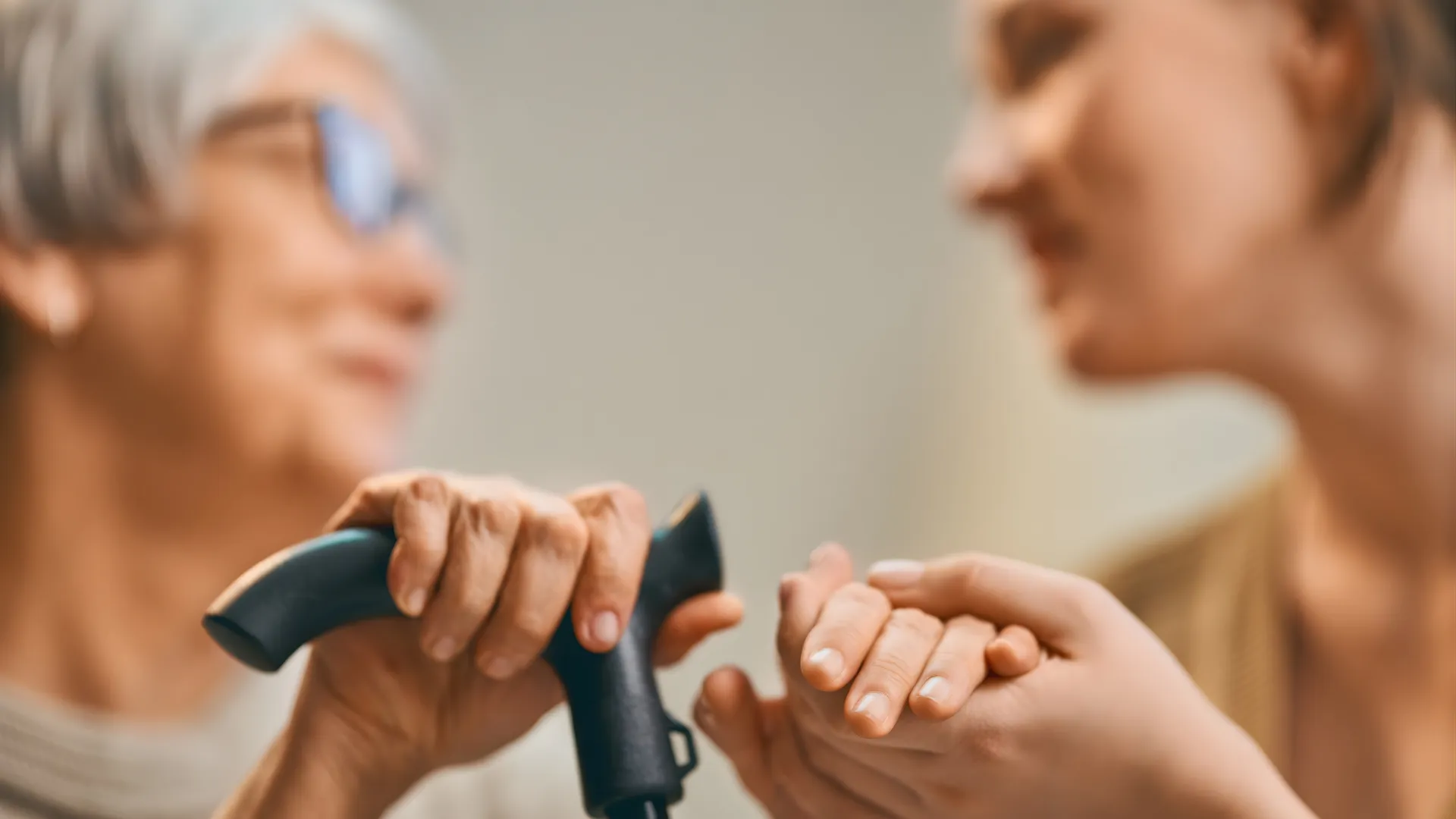
01 - Fall risk assessment
A care coordinator evaluates fall history, current mobility, medication side effects (dizziness, blood pressure changes), balance confidence, nighttime habits, and the home environment - stairs, rugs, lighting, grab bars.
Fall Prevention
Fall prevention home care in Ontario means a trained caregiver provides supervised mobility, safe transfers, and nighttime support in your family member's home - reducing the risk of the next fall before it happens. A consistent caregiver who knows the client's balance, medications, and every tricky spot in the house. Aviora starts fall prevention support across Ontario in 24-48 hours. No referral required.
Serving families across Ontario including Toronto, Hamilton, Ottawa, and Barrie.
Currently accepting new clients and referrals • Starts in 24-48 hours • Matched primary caregiver
What this means for your family
Fall prevention home care in Ontario is proactive caregiver support designed to reduce the risk of falls at home. It combines supervised mobility, safe transfer techniques, nighttime supervision, environmental awareness, and consistent presence by a caregiver who knows the client's specific limitations and home layout.
Falls are the leading cause of injury-related hospitalizations among Canadian seniors. In Ontario, approximately 1 in 3 adults over 65 fall each year. Once a senior has fallen, their risk of falling again doubles. The fear of falling often becomes as limiting as the fall itself - your parent stops moving, loses strength, and the cycle accelerates.
Aviora's fall prevention approach is practical: a consistent caregiver who knows when your parent is steadiest, which transfers are riskiest, what time of night they get up, and which areas of the home need extra caution. Falls rarely happen randomly. They happen at predictable moments - and that's where the caregiver is present.
How it works
A care coordinator evaluates fall history, current mobility, medication side effects (dizziness, blood pressure changes), balance confidence, nighttime habits, and the home environment - stairs, rugs, lighting, grab bars.
A care plan targeting the highest-risk moments - morning transfers, bathroom trips, nighttime movement, and any time of day when the client is most unsteady. Specific techniques for each situation.
A consistent caregiver who learns the client's balance patterns, the home layout, and which techniques work best. Not a different person each visit learning the risks from scratch.
After every visit, the caregiver notes mobility observations - confidence level, near-misses, changes in gait, new hazards. These reports help the family and medical team make informed decisions about care levels.
What’s included
Fall prevention support covers the moments and situations where fall risk is highest - delivered by a caregiver who knows the client and the home.
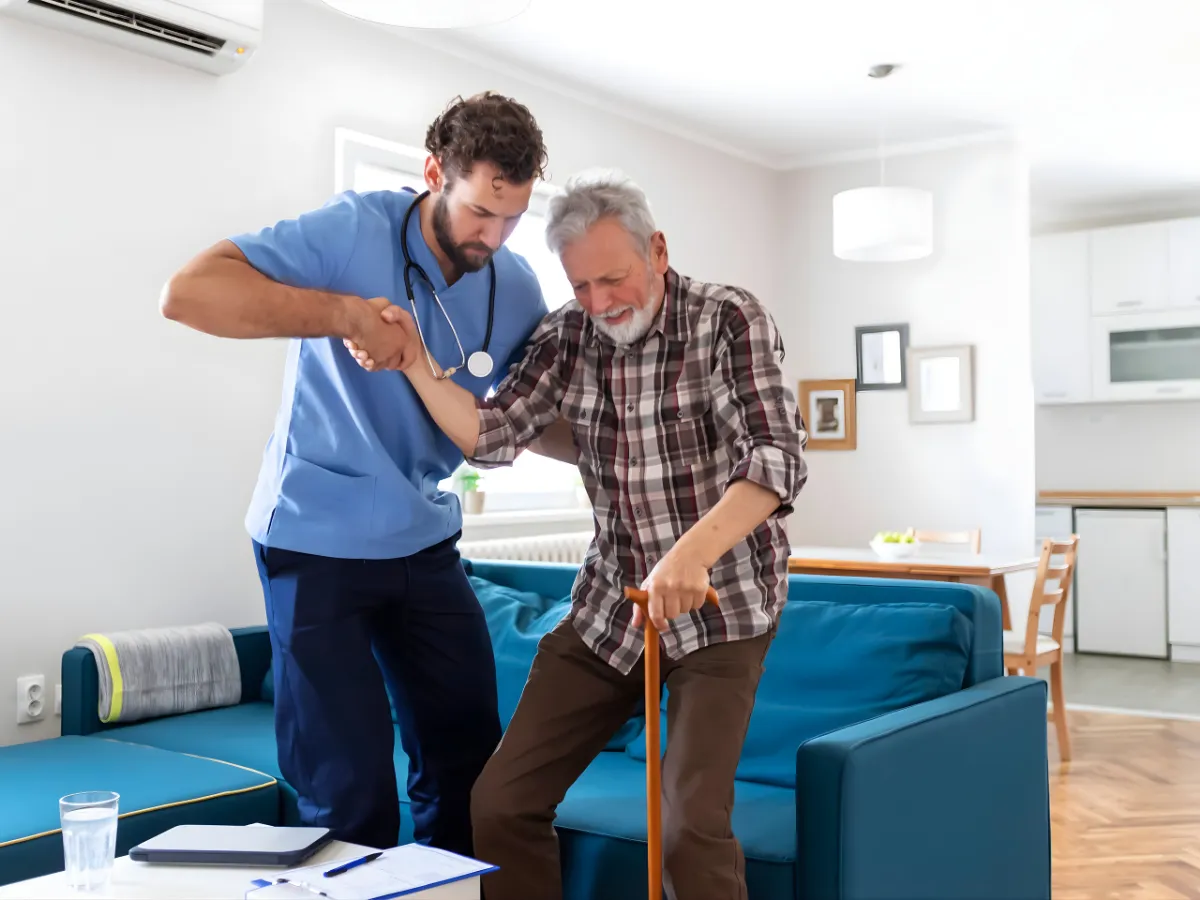
Bed-to-chair, chair-to-standing, and toilet transfers are the most common fall moments. A trained caregiver provides hands-on support using proper body mechanics and the client's own equipment.
Most falls happen at night during bathroom trips. An overnight caregiver ensures supervised movement when the client is least steady and the lighting is poorest.
Guided walking through the home - hallways, stairs, kitchen, and front entrance. The caregiver paces with the client and provides physical support as needed.
During visits, the caregiver observes and reports home hazards - loose rugs, extension cords, wet floors, poor lighting, cluttered walkways. Practical observations the family can act on immediately.
Many falls are linked to medication side effects - dizziness, low blood pressure, drowsiness. The caregiver reminds on schedule and observes for symptoms that increase fall risk after dosing.
If a physiotherapist has prescribed exercises, the caregiver prompts and assists with the routine. Consistent follow-through builds the strength and balance that prevents falls long-term.

Is this right for your family?
Fall prevention support is for families where the risk of a serious fall is no longer theoretical - it's happened, or it's clearly coming.
Who delivers your care
Fall prevention demands vigilance, consistency, and proper transfer training. Every caregiver is vetted before placement.
All caregivers complete criminal record and vulnerable sector screening before their first placement with any client.
References and work history are verified for every candidate. Not every applicant becomes an Aviora caregiver.
PSW certificates from Ontario college-recognized programs are confirmed before placement.
Caregivers assigned to fall prevention clients are selected for vigilance, safe transfer technique, and the physical ability the role requires.
Ontario coverage
Aviora Healthcare provides fall prevention support across Ontario with consistent caregivers, starting in 24-48 hours. No referral required.
Straight answers
Fall prevention home care means a trained caregiver provides supervised mobility, safe transfers, nighttime supervision, and environmental awareness to reduce fall risk at home. Aviora assigns consistent caregivers who know the client's balance, medications, and home layout. Book a free consultation.
Falls are the leading cause of injury-related hospitalizations among Canadians aged 65 and older. In Ontario, approximately 1 in 3 seniors will fall each year. Once a senior has fallen, the risk of falling again doubles. Early fall prevention support can break this cycle.
A caregiver cannot eliminate all risk, but consistent, trained support significantly reduces it. Most falls happen during transfers, nighttime bathroom trips, and unsteady walking. A caregiver who knows the client's specific limitations provides supervised movement at exactly the moments when risk is highest.
Yes. During assessment, the care coordinator notes environmental hazards - loose rugs, poor lighting, cluttered walkways, missing grab bars. Caregivers also observe and report new hazards during visits. Call (437) 446-7752.
Aviora can start fall prevention support within 24-48 hours across most Ontario communities. Families often call after a fall or near-miss, and urgency is part of the service. A care coordinator assesses fall risk, mobility level, and home environment during a single consultation.
Related services
If your parent needs physical help with every transfer and movement throughout the day, mobility assistance provides hands-on support for all daily transfers.
If falls happen during bathing, dressing, and personal care, personal support combines all daily tasks with safe transfer techniques in every visit.
If nighttime falls are the primary concern, an awake overnight caregiver provides supervised bathroom trips and movement through the highest-risk hours.
No sales pitch. A real conversation about your parent's fall risk and what level of support would make the biggest difference.
Currently accepting new clients and referrals • Starts in 24-48 hours • Matched primary caregiver