

A
Transfers & positioning
Safe assisted transfers - bed to chair, chair to standing, repositioning. Done properly, every time, by someone who has done it with this specific client dozens of times.
Mobility support - Ontario home care
Hands-on mobility assistance and fall prevention for Ontario seniors - guided transfers, safe movement, and a familiar caregiver who knows when something has changed. No referral needed.
What mobility support covers
Safe assisted transfers - bed to chair, chair to standing, repositioning. Done properly, every time, by someone who has done it with this specific client dozens of times.
Support and steady guidance for walking through the home, to the bathroom, out to the car. Presence that prevents a stumble from becoming a fall.
Assisted stair use for clients who need support - with technique adjusted to the individual's pace, strength, and confidence level.
Gentle range-of-motion activity and light movement to maintain function. Not physiotherapy - but consistent movement that supports what PT recommends.
Caregivers observe and report home safety concerns - loose rugs, inadequate lighting, bathroom grab bar needs - to family.
If the client's balance has worsened, if they're more hesitant, if something feels different - the caregiver who comes every day notices before anyone else does.
The importance of familiarity
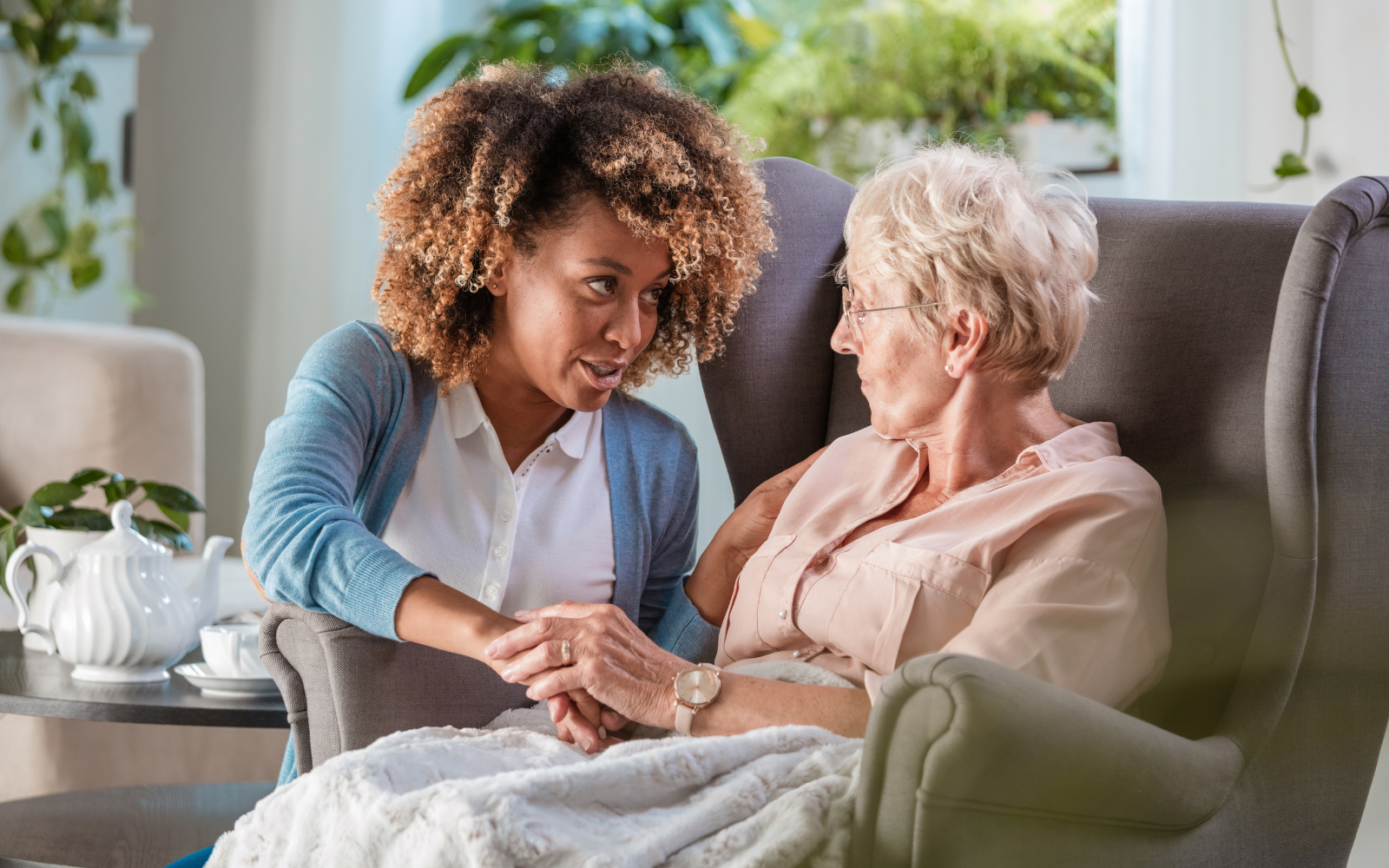
Mobility support is not simply physical - it requires understanding how a specific person moves, where their balance is weakest, which transitions they find most difficult, and how much support to offer without creating dependency. This knowledge develops over time with a consistent caregiver relationship.
A caregiver who comes once a week and is changed regularly never develops this understanding. Aviora's model of consistent caregiver assignment means each person's mobility support becomes progressively better tailored - safer, more confident, and more attuned to the individual over time.
Getting started
We document mobility limitations, equipment in use, high-risk activities, and any clinical guidance before care begins.
A caregiver suited to the individual's physical support needs and personality is assigned and fully briefed before the first visit.
The matched caregiver arrives at every visit - building the familiarity that makes mobility support progressively safer and more effective.
Currently accepting new clients and referrals. Serving Ontario - urban centres and rural communities.
Related services
Personal care and mobility support naturally go together - the matched caregiver handles both in the same visit, safely and efficiently.
Learn morePost-discharge mobility support to re-establish safe movement patterns and daily activity after returning home from hospital.
Learn moreGentle mobility support and repositioning as part of compassionate comfort-focused care for individuals in palliative stages.
Learn more